Everything About Sugar Beet Vs Sugar Cane: Which One Offers Greater Conveniences and Makes Use Of?
The comparison between sugar beet and sugar cane offers a nuanced expedition of their corresponding benefits and applications. Each plant has distinct nutritional profiles and growing conditions that influence their use in different sectors. As customer preferences shift in the direction of healthier choices, the importance of these two sources of sugar ends up being progressively considerable. Recognizing their distinctions can disclose understandings right into which might inevitably offer much better in a changing market landscape. What variables will shape this ongoing argument?
Introduction of Sugar Beet and Sugar Cane
Sugar beet and sugar cane are 2 primary sources of sugar, each with distinctive qualities and advantages. Sugar beet, a root crop largely grown in pleasant environments, is recognized for its high sucrose web content, which can vary from 15% to 20%. This plant is generally processed right into granulated sugar, molasses, and various other results. Its farming enables a much shorter expanding period and less dependancy on exotic environments.
On the other hand, sugar cane prospers in warmer, exotic regions and is commonly related to for its coarse stalks, which can produce 10% to 15% sucrose. The handling of sugar cane not only generates sugar yet additionally causes items like rum and ethanol, making it flexible. Both plants contribute significantly to the global sugar market, with their distinct growing conditions and handling techniques influencing their agricultural and financial importance. Ultimately, the selection in between sugar beet and sugar cane often relies on regional environments and market demands.
Nutritional Profiles: Sugar Beet Vs Sugar Cane
The dietary profiles of sugar beet and sugar cane expose significant distinctions in their nutrient compositions. Sugar beet often tends to supply a greater focus of minerals and vitamins, while sugar cane primarily gives power in the kind of carbohydrates. In addition, the glycemic index of these 2 resources varies, affecting their effects on blood sugar degrees.
Nutrient Structure Contrast
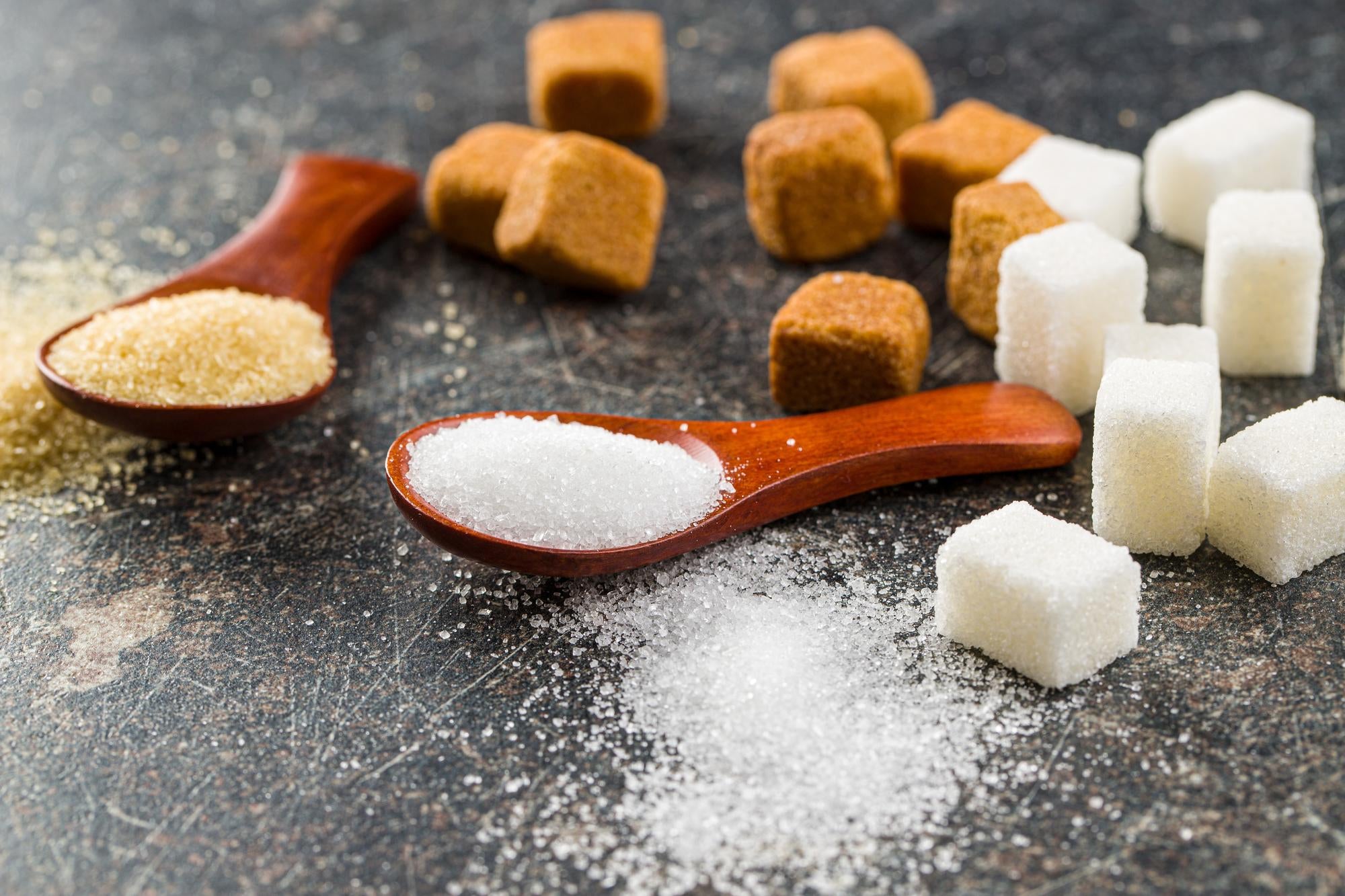
When comparing the nutrient make-up of sugar beet and sugar cane, unique differences arise that can influence nutritional options. Sugar beetroots are understood for their higher fiber material, giving roughly 2 grams of fiber per 100 grams, while sugar cane has marginal fiber (Sugar beet vs sugar cane). Concerning vitamins, sugar beetroots supply a range of B vitamins, specifically folate, which supports mobile health, whereas sugar cane consists of fewer vitamins generally. Furthermore, sugar beetroots flaunt a greater mineral web content, including potassium and magnesium, crucial for numerous bodily features. Sugar cane primarily supplies carbs, especially sucrose, however does not have the nutrient thickness discovered in sugar beetroots. These differences highlight the nutritional benefits of sugar beetroots compared to sugar cane in a well balanced diet
Glycemic Index Differences
Just how do sugar beets and sugar cane differ in their glycemic index, and what ramifications does this have for individuals checking their blood glucose degrees? Sugar beetroots usually have a reduced glycemic index (GI) compared to sugar cane, which indicates they trigger a slower and more gradual boost in blood sugar degrees. This difference is specifically essential for people with diabetes mellitus or those concerned regarding blood sugar administration. A reduced GI food can aid maintain steadier energy levels and decrease the danger of insulin spikes. While both sources are generally made up of sucrose, the differing fiber and nutrient content in sugar beets might add to their lower GI, making them a potentially far better option for health-conscious customers.
Growing Problems and Geographical Distribution
Although both sugar beet and sugar cane serve as vital resources of sugar, their expanding problems and geographic circulation differ significantly. Sugar cane thrives in tropical and subtropical climates, calling for warm temperature levels, abundant sunshine, and considerable rainfall. It is mainly grown in nations such as Brazil, India, and China, where these environmental elements are optimal. Sugar beet vs sugar cane. In contrast, sugar beet chooses pleasant environments, flourishing in cooler areas with well-drained soil. Major manufacturers of sugar beet consist of the USA, Russia, and a number of European nations, where the expanding season straightens with cooler temperatures
The distinctions in environment requirements bring about varying cultivation techniques; sugar cane is commonly expanded as a perennial plant, while sugar beet is generally grown each year. This geographical distinction not just influences local farming economic climates yet additionally forms neighborhood practices connected to sugar production and processing. Understanding these aspects is essential for evaluating the benefits and applications of each resource.
Ecological Impact of Sugar Beet and Sugar Cane Production
While both sugar beet and sugar cane add greatly to worldwide sugar manufacturing, their ecological impacts differ substantially. Sugar cane growing frequently requires huge stretches of land and water, bring about logging and environment loss in some regions. In addition, using plant foods and pesticides in sugar cane farming can lead to dirt degradation and water contamination. Conversely, sugar beet is usually grown in cooler environments and needs less water, which may minimize the pressure on regional water resources. Nevertheless, intensive farming techniques related to sugar beet can also lead to dirt disintegration and nutrient exhaustion. The handling of both crops generates waste, yet sugar cane has a greater capacity for by-products, such as bioenergy, which can alleviate some ecological impacts. Eventually, the sustainability of each crop greatly depends upon farming practices and regional management approaches employed throughout the manufacturing cycle.
Handling Techniques and Performance
Handling methods for sugar beet and sugar cane differ considerably, influencing overall efficiency and yield. Sugar beets go through a procedure that includes cleaning, cutting, and drawing out juice via diffusion or pressing. The juice is then purified, focused, and taken shape, resulting in granulated sugar. This approach is typically efficient, with a high sugar extraction rate.
In comparison, sugar cane handling entails crushing the cane to essence juice, followed by explanation and evaporation. The juice is after that steamed to produce sugar crystals. While both approaches are reliable, sugar cane handling can be more labor-intensive and lengthy because of the larger scale of operations and the requirement for extra extensive tools.
Sugar beet processing commonly results in a higher sugar content per ton compared to sugar cane, making it an extra efficient choice in specific areas. In general, the selection of processing approach influences not only the return yet likewise the financial stability of sugar manufacturing.
Applications in the Food Sector
In the food market, sugar beet and sugar cane offer distinct functions in sugar production. Each source provides unique qualities that affect their culinary applications, from baked items to drinks. Understanding these differences can assist makers and chefs in choosing the most appropriate active ingredient for their demands.
Sugar Manufacturing Differences
Although both sugar beet and sugar cane work as crucial resources for sugar manufacturing, their applications in the food market differ considerably. Sugar cane is mostly related to generating raw sugar and molasses, which are extensively used in drinks, confections, and baked products. Its juice is likewise fermented to produce rum. Alternatively, sugar beet is generally processed into polished sugar, which is favored in the manufacturing of granulated sugar and different other sugar. The removal process for sugar beet is much more uncomplicated, permitting for higher returns of white sugar. Additionally, page sugar beet's versatility makes it possible for the creation of alternate sweeteners, such as beet syrup. These differences highlight the distinct roles each source plays in satisfying the varied needs of the food industry.
Culinary Uses Comparison
Cooking applications of sugar beet and sugar cane expose unique preferences among chefs and food producers. Sugar cane, frequently viewed as the conventional sugar, is preferred in a range of products, consisting of syrups, molasses, and beverages like rum. Its natural taste enhances desserts, marinades, and sauces. Alternatively, sugar beet, made use of mostly in see granulated sugar type, is frequently included right into baked products, candies, and refined foods. Its neutral flavor profile allows it to blend seamlessly right into numerous dishes. In addition, sugar beet is acquiring traction in organic and non-GMO markets, appealing to health-conscious customers. Ultimately, the selection between sugar beet and sugar cane depends upon details culinary applications, flavor preferences, and market fads within the food sector.
Wellness Considerations and Consumer Preferences
An expanding number of consumers are progressively familiar with the wellness implications connected with sugar resources, leading to a keen passion in the advantages of sugar beet versus sugar cane. Both sugar resources have unique dietary profiles that may affect consumer selections. Sugar beets have a tendency to consist of somewhat more fiber and crucial nutrients, which can interest health-conscious individuals. On the other hand, sugar cane is commonly regarded as an extra all-natural and less refined choice, possibly attracting those looking for organic or raw items.
Moreover, the rising appeal of alternate sweeteners has actually prompted consumers to inspect traditional sugars much more very closely. Recognition of too much sugar intake's health and wellness dangers, such as weight problems and diabetes, has fueled a need for openness concerning the beginnings and handling methods of sweeteners. Ultimately, specific choices remain to shape the argument between sugar beet and sugar cane, showing a broader trend towards much healthier eating habits and educated consumerism
Often Asked Questions
What Are the Historic Uses Sugar Beet and Sugar Cane?
Historically, sugar beet and sugar cane have worked as main sources of sugar. Sugar cane, cultivated for centuries in exotic regions, offered sweeteners, reference while sugar beet emerged in Europe throughout the 18th century, boosting local sugar production.

Just How Do Sugar Beet and Cane Affect Resident Economies?
Sugar beet and sugar cane considerably effect local economies via work production, agricultural efficiency, and profession. Their cultivation promotes country advancement, supports neighborhood companies, and produces tax income, eventually enhancing community sustainability and financial strength.
Exist Any Kind Of Social Relevance Differences In Between Sugar Beet and Cane?
Social importance varies in between sugar beet and sugar cane. Sugar cane frequently represents tropical heritage and traditional techniques, while sugar beet is associated with agricultural innovation and automation, reflecting various local identities and historical contexts in their manufacturing.
What Are the Key Pests Affecting Sugar Beet and Sugar Cane?
The major insects influencing sugar beet consist of aphids and root maggots, while sugar cane encounters hazards from borers and planthoppers. Both crops need cautious monitoring to mitigate damages and warranty healthy returns.
How Do Environment Changes Effect Sugar Beet and Sugar Cane Growing?
Climate modifications considerably impact sugar beet and sugar cane growing by modifying development conditions, changing insect populations, and influencing water accessibility. These elements can minimize yields and affect general agricultural sustainability in impacted areas.
Comments on “Sugar beet vs sugar cane: How climate requirements impact output”